# Can Laser Tattoo Removal Really Work: Here’s What You Need to Know
Laser tattoo removal has gained popularity in recent years as an effective method for erasing unwanted ink. In a city like Dubai, where self-expression through body art is common, understanding the mechanics and effectiveness of laser tattoo removal is essential. This article delves into the science behind laser [**Tattoo Removal Dubai**](https://www.royalclinicdubai.com/en-ae/laser-treatments/laser-tattoo-removal/), its effectiveness, the process involved, and what individuals can expect during their journey.
### The Science Behind Laser Tattoo Removal
#### How Laser Technology Works
Laser tattoo removal employs advanced laser technology to break down the ink particles embedded in the skin. When a laser beam is directed at the tattoo, it emits high-intensity light that targets the tattoo ink specifically. The energy from the laser is absorbed by the ink particles, causing them to heat up and break apart into smaller fragments. This process allows the body's immune system to gradually eliminate the fragmented ink particles.
#### Types of Lasers Used
Different types of lasers are utilized for tattoo removal, primarily categorized into Q-switched lasers and picosecond lasers. Q-switched lasers release energy in short bursts, making them effective for a range of ink colors. Picosecond lasers, on the other hand, deliver faster pulses of energy, which can lead to more efficient ink breakdown and quicker healing times. The choice of laser often depends on the tattoo's ink type, color, and depth.
### Effectiveness of Laser Tattoo Removal
#### Success Rates
The effectiveness of laser tattoo removal can vary based on several factors, including the tattoo's age, size, ink colors, and skin type. Many individuals experience significant fading after just a few sessions. However, complete removal may require multiple treatments, typically spaced several weeks apart to allow the skin to heal and the body to clear away the ink particles.
#### Factors Influencing Results
Several factors influence the outcome of laser tattoo removal. For instance, darker inks, such as black and dark blue, generally respond better to laser treatment compared to lighter colors. Additionally, professional tattoos tend to be easier to remove than amateur ones due to the quality of ink used. Skin type and overall health also play a role in how well the body responds to treatment.
### The Tattoo Removal Process
#### Initial Consultation
Before undergoing laser tattoo removal, individuals typically attend an initial consultation with a trained technician. During this consultation, the technician evaluates the tattoo, discusses the removal process, and establishes a personalized treatment plan. This is an opportunity for individuals to ask questions and set realistic expectations regarding the results.
#### Treatment Sessions
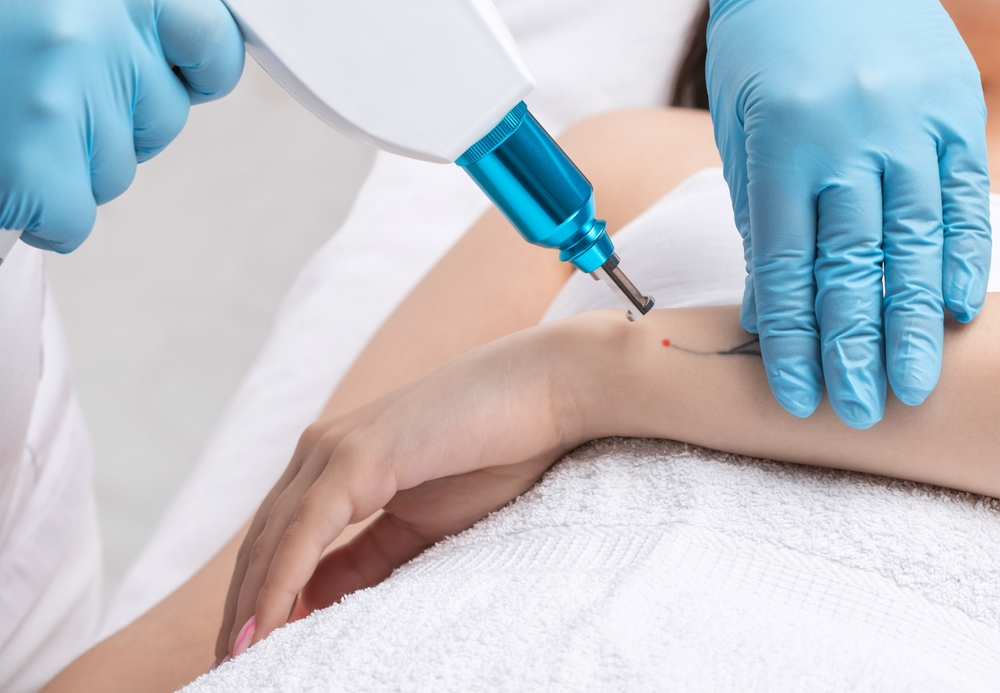
The actual laser tattoo removal sessions can vary in length, depending on the size and complexity of the tattoo. During the procedure, protective eyewear is provided to shield the eyes from the laser light. The technician will use a hand-held laser device to target the tattoo. Patients often describe the sensation as similar to a rubber band snapping against the skin.
#### Aftercare
Post-treatment care is crucial for optimal results. Individuals are typically advised to keep the treated area clean and moisturized. It’s essential to avoid sun exposure and refrain from picking at any scabs that may form as the skin heals. Following the aftercare instructions can significantly impact the effectiveness of the treatment and the overall recovery process.
### What to Expect
#### Number of Sessions
The number of sessions required for effective tattoo removal varies by individual and tattoo characteristics. While some tattoos may lighten significantly after two or three sessions, others may need five or more treatments for optimal results.
#### Time Between Treatments
It’s important to allow sufficient time between sessions for the skin to heal and for the body to eliminate the broken-down ink particles. Generally, sessions are spaced four to six weeks apart, but this can vary based on the individual's healing response.
#### Results Over Time
As treatment progresses, individuals can expect gradual fading of the tattoo. Full results may not be immediately visible, and patience is key. Many people find that their tattoo continues to lighten even after treatment has concluded, thanks to the body's ongoing healing process.
### Conclusion
Laser tattoo removal is a viable option for those looking to erase unwanted body art. With advancements in laser technology, the procedure has become more effective and efficient. Understanding the process, what to expect, and the factors influencing results can empower individuals in Dubai to make informed decisions about their tattoo removal journey. Whether for personal, professional, or aesthetic reasons, laser tattoo removal offers a pathway to reclaiming skin without the ink.
.jpg?alt=media&token=1b834f37-c2dc-4baa-a0d9-3f07ee1fc928)